The Enduring Legacy of Stone: Techniques for Long-Lasting Masonry Feb 10, 2026
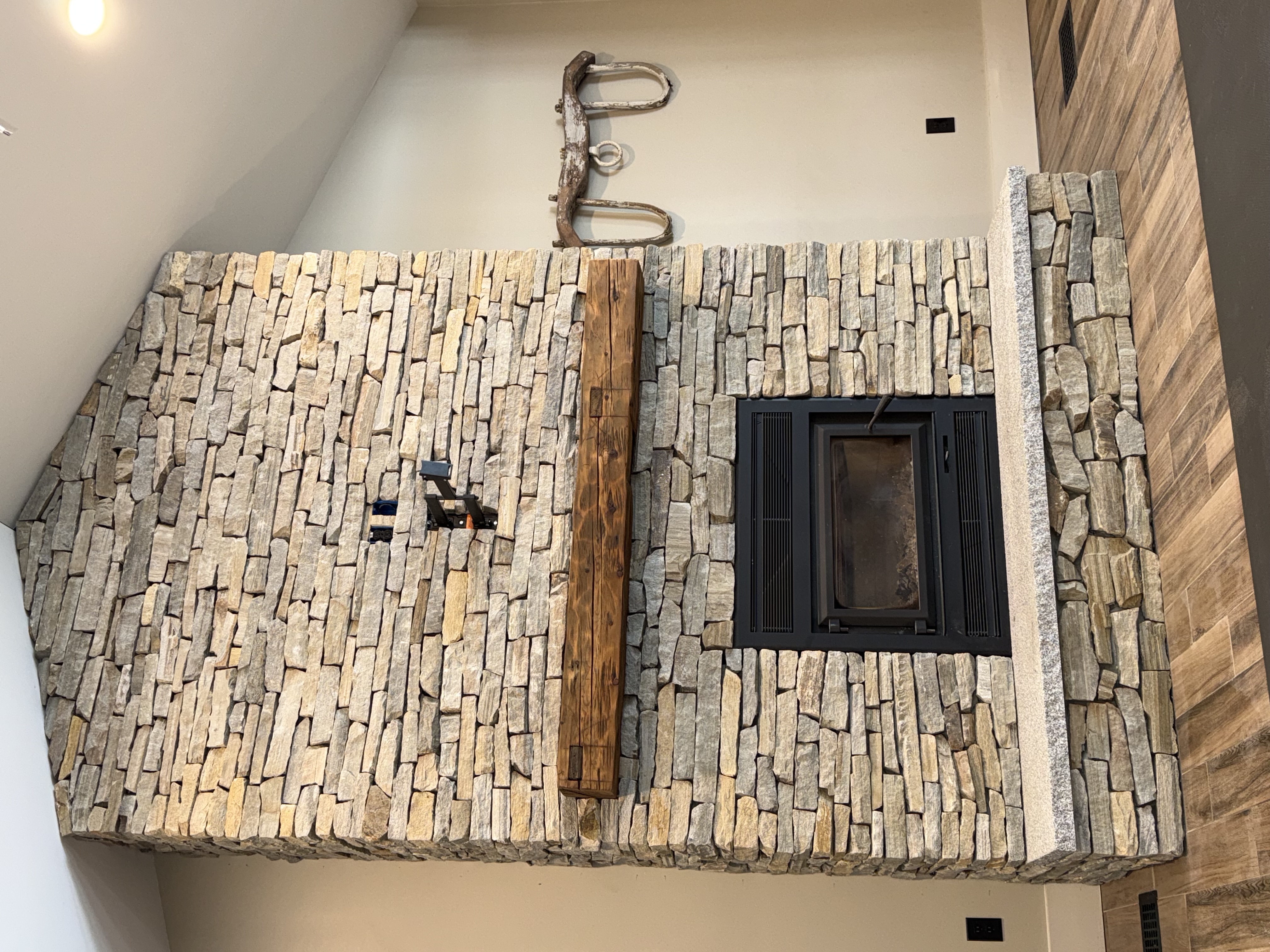
The enduring legacy of stone begins with selecting the right materials. Stone is available in various types, each with unique characteristics suited to different applications. Granite, limestone, sandstone, and marble are popular choices in masonry. Granite is particularly noteworthy for its density and resistance to weather, making it ideal for both structural and decorative purposes. Selecting stone that naturally resists local climate conditions can greatly enhance the longevity of a masonry project.
Proper foundation and preparation are crucial for any masonry work. A solid foundation not only supports the weight of the stone but also ensures stability and resilience. This involves thorough site analysis and preparation, which often means proper grading and drainage planning to keep water away from the masonry. Poor drainage can lead to water infiltration, which is one of the leading causes of deterioration in masonry over time.
The technique of laying the stone is where craftsmanship truly shines. Dry stone masonry, where stones are carefully selected and fitted without mortar, relies heavily on the skill of the craftsman. For projects involving mortar, it is essential to choose the appropriate mortar mix and ensure it is correctly applied. Mortar acts as the binding agent that holds the stone in place, and its composition directly impacts the durability of the final structure. Lime mortar, for instance, is an excellent choice for many projects due to its flexibility and breathability, which helps in moisture management.
Regular maintenance is key to preserving any masonry structure. Periodic inspections can help identify early signs of wear and tear, allowing for timely intervention. Cleaning masonry with appropriate techniques prevents buildup of dirt and moss, which can weaken stone over time. Sealing stone surfaces, where appropriate, can provide an additional layer of protection against the elements, preserving both structural integrity and aesthetic appeal.
Moreover, issues like efflorescence, a white powdery substance that can appear on masonry, should be addressed promptly. Efflorescence occurs when water soluble salts migrate through the masonry and evaporate, leaving salt deposits behind. This not only affects the appearance but can also indicate underlying moisture issues. Regular inspections and maintenance can prevent such problems from escalating.
Investing in high-quality materials and skilled craftsmanship initially might seem costly but can save money in the long term by minimizing repair and replacement needs. Our team at Smythe’s Stonework & Masonry is committed to delivering masonry services that stand the test of time. We believe that combining modern technology with traditional techniques not only honors the art but also ensures its relevance and resilience in the future.
In conclusion, the longevity of a masonry construction hinges on material selection, precise workmanship, and regular maintenance. Embracing both the wisdom of time-honored practices and the advantages of contemporary advancements, we continue to build structures that are not only functional but also beautiful and enduring. Whether for homes, historical restorations, or new buildings, quality stonework remains a lasting legacy for generations to come.
/filters:no_upscale()/filters:format(webp)/media/3aff0a94-f774-4783-9016-2e3fbaa67745.jpeg)