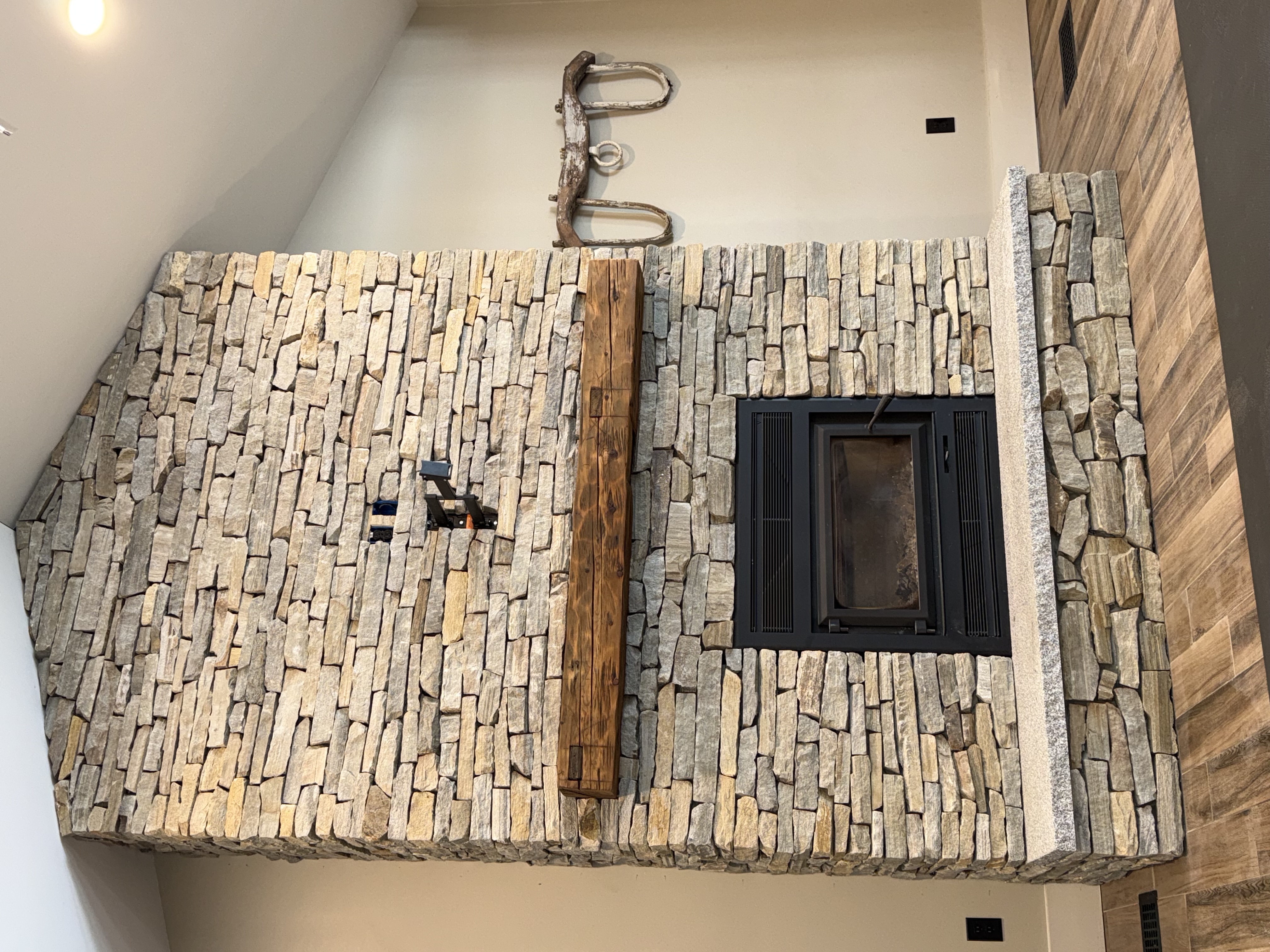
The Art and Craft of Traditional Stonemasonry Techniques Nov 24, 2025
At its core, stonemasonry is both a science and an art form, demanding precision, creativity, and a deep understanding of materials. For millennia, stonemasons have transformed blocks of rough stone into structures of lasting beauty and strength. Whether it’s the majestic cathedrals of Europe or the rugged strength of country homesteads, the hallmarks of traditional stonemasonry—symmetry, fine craftsmanship, and resilience—are evident.
Understanding stonemasonry techniques begins with appreciating the wide array of tools and materials used. Traditional stonemasons employ tools like chisels, mallets, and hammers, instruments that have changed little over the centuries. These tools allow artisans to expertly shape each stone, ensuring it fits perfectly within the larger structure. Such precision guarantees not just aesthetics but also structural integrity.
Traditional stonemasonry techniques include dry stone walling, where stones are meticulously placed without mortar, and ashlar masonry, which involves finely worked stones laid with uniform joints. Dry stone walling, in particular, illustrates the mastery of gravity and balance, crafting sturdy structures that require an eye for detail and an understanding of stone shapes. Meanwhile, ashlar masonry is celebrated for its smooth, refined surface and is often seen in upscale buildings and elaborate architecture.
A critical aspect of these techniques is the selection of materials. Different types of stone offer varied levels of durability and beauty. From granite and limestone to slate and marble, each stone has unique properties that influence its application. Selecting the right stone for a project not only complements aesthetic design but also enhances the structure’s longevity and environmental performance.
The principles of sustainability in stonemasonry cannot be overlooked. Traditional techniques focus on durability and local sourcing, minimizing environmental impact over extensive lifespans. This emphasis on sustainable practices makes stonemasonry an appealing choice for eco-conscious projects today. At Smythe’s Stonework & Masonry, we are committed to pushing the boundaries of environmental responsibility in our projects, integrating these time-tested techniques with modern sustainable practices.
This deep dive into the artistry of stonemasonry reveals that beyond being a simple construction method, it is a narrative built in stone. It captures the intersection of utility and creative expression, where each piece is as unique as a fingerprint. For clients looking for unmatched durability and timeless beauty, traditional stonemasonry offers an unparalleled solution.
In conclusion, as we move forward, preserving the integrity of these ancient methods ensures that we can continue to build structures that don’t just survive, but tell the stories of our present and our past. At Smythe’s Stonework & Masonry, we are devoted to maintaining the legacy of traditional stonemasonry, crafting spaces that honor history while embracing today’s needs. Whether you're planning a new build or seeking to restore a cherished heirloom, reach out to our expert team to see how the artistry of stonemasonry can transform your vision into reality.
/filters:no_upscale()/filters:format(webp)/media/3aff0a94-f774-4783-9016-2e3fbaa67745.jpeg)